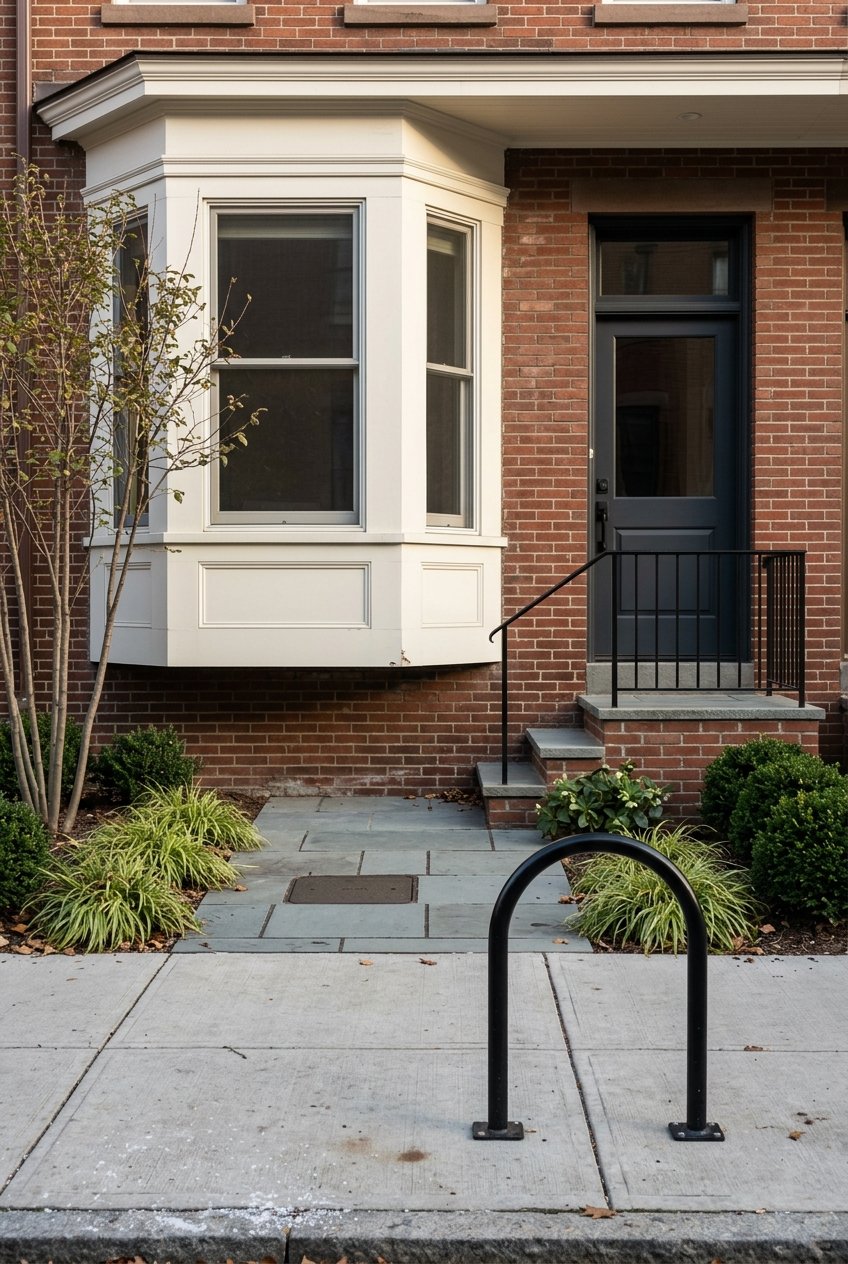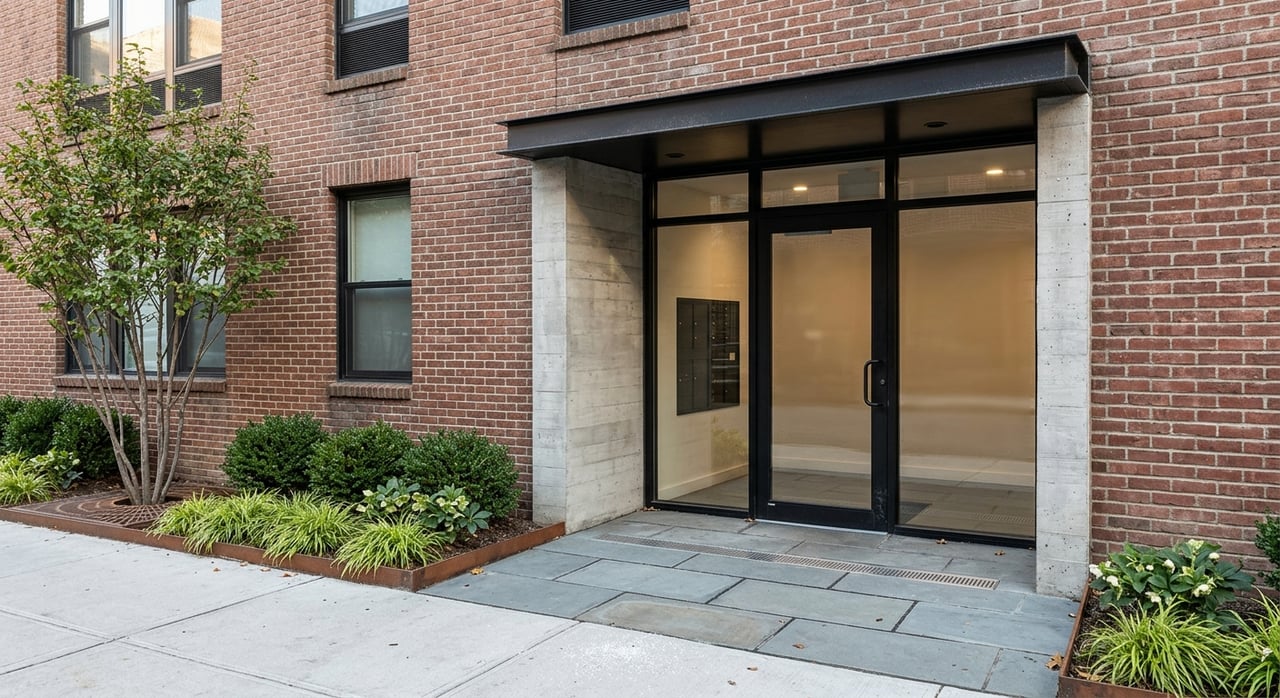
If you want a place near Boston that gives you more neighborhood variety, solid transit access, and a little more breathing room, Medford is worth a close look. It can feel hard to pin down at first because it is not just one downtown or one kind of housing. That is exactly why many buyers and renters find it appealing. In this guide, you will get a practical look at Medford’s space, commute options, housing mix, and everyday feel so you can decide whether it matches your lifestyle. Let’s dive in.
Medford feels like a patchwork city
One of the best ways to understand Medford is to think of it as a collection of smaller districts rather than a single-center suburb. The city has about 59,900 residents across 8.10 square miles, and local materials identify ten neighborhoods and five squares, which helps explain why different parts of Medford can feel noticeably different from one another. According to U.S. Census QuickFacts for Medford, it is a fairly dense city, but that density is not spread evenly in one uniform pattern.
The city describes Medford as a diverse, historic, and thriving community with restaurants, bakeries, small businesses, and more than 300 acres of city-maintained open space. In the city’s welcoming committee materials, Medford Square and the Fells stand out as defining places, which reinforces the idea that Medford’s identity comes from multiple local hubs rather than one dominant center.
Space means different things in Medford
If you are searching for “space” in Medford, that can mean a few different things. In some areas, it means quieter residential streets and more house-oriented blocks. In others, it means access to open space, parks, and outdoor recreation even while living in a more connected, built-up setting.
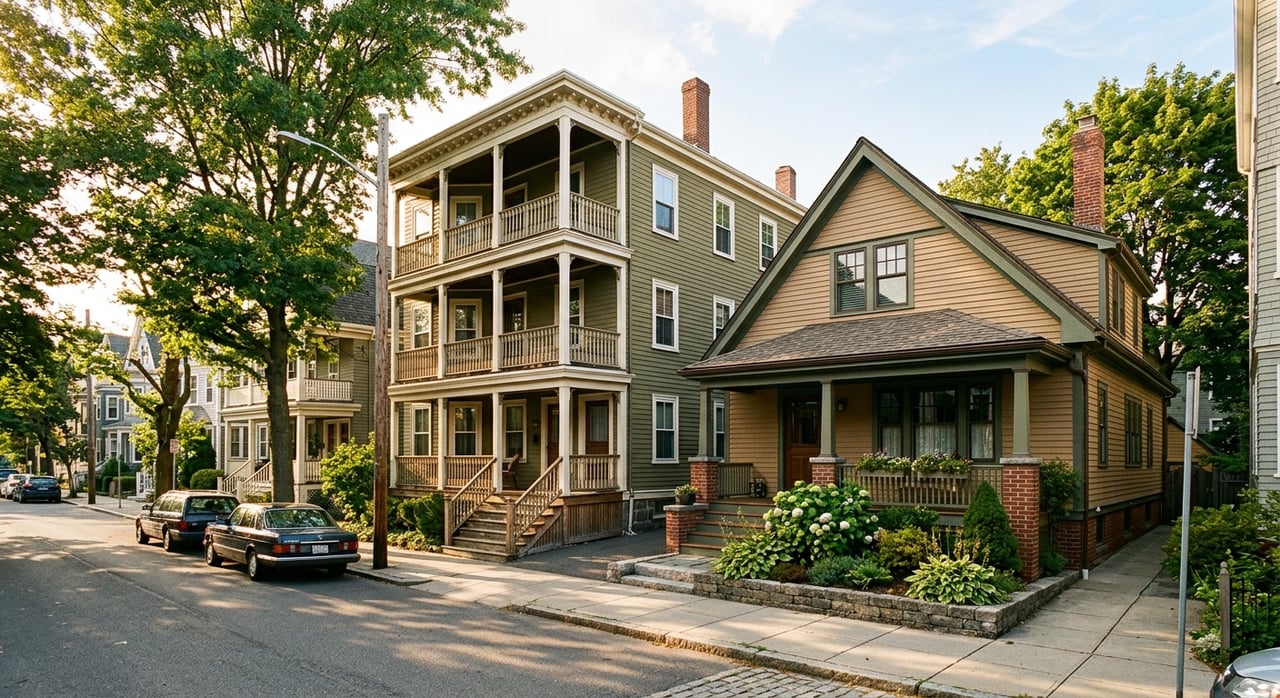
The city’s residential zoning framework shows that North and West Medford have broader areas zoned for single-family homes, while two-family homes are more common in places like Haines Square, Glenwood, Hillside, South Medford, and parts of West Medford. Denser housing is concentrated in South Medford, Hillside, Medford Square, and near Tufts University, according to the city’s residential zoning proposal overview.
That means your day-to-day experience can vary a lot depending on where you land. Some parts of Medford read as more traditionally residential, while others feel more active and mixed-use. North Medford, for example, is noted by the city for narrow winding streets, steep grades, and private ways, which can create a more tucked-away residential feel than areas closer to major squares or transit corridors.
Is Medford urban or suburban?
The honest answer is both. That is one of the city’s main draws.
If you want a more active setting, areas around Medford Square, South Medford, Hillside, Wellington, and Tufts tend to offer a more mixed-use environment. If you prefer a quieter setting with more house-centered blocks, North Medford and parts of West Medford may feel closer to what many people picture when they think of a suburban layout.
This blend is one reason Medford appeals to different kinds of buyers and renters. You can find a location that supports a more car-light routine, or you can focus on parts of the city that feel more residential and less busy while still staying close to Boston.
Transit is one of Medford’s biggest advantages
For many people, Medford’s transit access is the headline feature. The MBTA Green Line Extension expanded rail access into the city, and Medford now has Green Line stops at Medford/Tufts and Ball Square. The city’s resident guide also points to Orange Line service at Wellington, Lowell Line commuter rail service at West Medford, and multiple bus routes through town, as noted in the MBTA safety audit document citing Medford transit access.
That gives you several ways to move around depending on where you live and where you work. If your routine involves Boston, Cambridge, Somerville, or other nearby employment centers, those connections can make Medford feel more flexible than a typical outer suburb.
Transit access also shapes the feel of certain neighborhoods. Areas near stations and major routes naturally tend to have more activity, more multifamily housing, and a stronger walk-to-transit appeal. If that is high on your list, Medford offers more than one transit-oriented option.
Bluebikes adds last-mile convenience
Rail access is only part of the picture. The city has also expanded its Bluebikes network to 18 stations, including locations at Wellington, Tufts Square, Medford Square, West Medford Square, Logan Park, Harris Park, and Haines Square. The city announced that expansion in its Bluebikes grant update.
For you, that can make short local trips easier without always needing a car. It also strengthens connections between neighborhood squares, parks, and transit stops.
Parking can vary near Green Line stops
One practical detail to keep in mind is parking. Medford created a Green Line Zone permit parking district around certain GLX stops, covering roughly a quarter-mile radius around three stations. That district replaced the older street-by-street system in 2024 and became permanent in 2025.
In simple terms, parking expectations can be more structured near the new transit corridors than in other parts of the city. If you are comparing locations, this is one of those small but important lifestyle factors to review early.
Parks and open space add balance
Medford’s transit story gets a lot of attention, but its outdoor assets matter just as much to many residents. The city says it maintains more than 24 parks and playgrounds, along with passive parks, Riverbend Park, Hormel Stadium, Wright’s Pond, and Tufts Pool across more than 118 acres through the Park Division. Separate city materials also highlight more than 300 acres of city-maintained open space.
That gives Medford a useful sense of balance. Even if you live in one of the city’s denser pockets, you are still in a place where parks, local recreation spaces, and outdoor amenities play a meaningful role in daily life.
The city’s welcoming materials also point to the Condon Shell, Clippership Pop-Up Park, Wright’s Pond, Tufts Pool, and the Medford Public Library as part of the city’s everyday appeal. These are the kinds of amenities that help a place feel livable beyond the commute.
The squares shape everyday life
Medford is especially interesting if you like the idea of local destinations spread across the city instead of concentrated in one downtown. City materials describe Medford Square as a critical hub for businesses, residents, and community functions, while West Medford Square and the other squares are highlighted for restaurants, bakeries, and small businesses in the city zoning and community materials.
That distributed layout changes the way Medford lives. Your nearest square may shape your daily routine as much as your exact street does. Coffee, quick errands, transit access, and neighborhood identity can all feel tied to these smaller hubs.
For some buyers and renters, that creates a more grounded local experience. Instead of relying on one central district for everything, you may find that your part of Medford has its own rhythm and set of go-to places.
Housing costs run above the state average
Medford offers location and convenience, but it is important to go in with realistic price expectations. According to Census QuickFacts, the median value of owner-occupied homes in Medford is $755,500, the median monthly owner cost with a mortgage is $3,036, and median gross rent is $2,509.
Those figures are higher than the Massachusetts statewide figures in the same dataset, which suggests Medford is generally a costlier market for both owners and renters. That does not make it one-size-fits-all, though. It does mean you will want a clear budget and a realistic sense of trade-offs between location, property type, and access to transit or open space.
The housing mix is broader than many buyers expect
Even though Medford can be expensive, its housing stock is not all one thing. The city’s Housing Production Plan describes an effort to create a mix of housing types for different income levels and maintain at least 10 percent of year-round housing stock as affordable.
The zoning conversation in Medford also includes smaller-scale units, two-unit homes, townhouses, multiplexes, and historic conversions. For you, that means Medford may offer more housing variety than a purely single-family suburb, especially if you are open to condos, multifamily living, or neighborhoods with a more mixed-use pattern.
This variety can be especially relevant if you are a buyer thinking long term. In Greater Boston, places with both transit access and multiple housing formats often stay in demand because they appeal to a wide range of households.
What Medford may feel like for you
If you are trying to picture daily life, Medford often works best for people who want options. You can look for a more residential setting, a more connected transit-oriented location, or a middle ground that gives you pieces of both.
You may appreciate Medford if you want:
- Access to Boston-area transit without giving up neighborhood identity
- A city with parks, open space, and outdoor amenities woven into daily life
- Multiple local squares instead of one all-purpose downtown
- A broader housing mix that includes single-family homes, two-family homes, condos, and denser pockets
- A location that feels connected to Greater Boston but still distinct in character
The main trade-off is cost. Medford’s price point is meaningfully above the state average, so fit matters. Choosing the right part of the city often comes down to what matters most to you: commute, housing type, neighborhood pace, or access to parks and local businesses.
Bottom line on living in Medford
Medford stands out because it is not easy to reduce to one label. It offers meaningful transit access, real neighborhood variety, strong local hubs, and a blend of denser and quieter residential areas. At the same time, it comes with higher housing costs that call for a thoughtful search strategy.
If you are weighing Medford against other Greater Boston locations, the key is to compare how you want to live, not just where you want to sleep. The right fit may be a home near a square, close to a rail stop, or on a quieter residential street with easier access to parks and open space. If you want help sorting through Medford and other inner-ring Boston options, Jerome Bibuld can help you build a smarter, more local search strategy.
FAQs
What is the overall neighborhood feel in Medford, MA?
- Medford feels more like a patchwork of neighborhoods and squares than a single-center suburb, with a mix of quieter residential areas, mixed-use pockets, and local hubs such as Medford Square and West Medford Square.
What transit options are available when living in Medford, MA?
- Medford offers Green Line service at Medford/Tufts and Ball Square, Orange Line access at Wellington, Lowell Line commuter rail service at West Medford, multiple MBTA bus routes, and an expanded Bluebikes network.
What types of housing can you find in Medford, MA?
- Medford includes single-family homes, two-family homes, denser housing near Medford Square and Tufts, and a broader mix that includes townhouses, multiplexes, smaller-scale units, and historic conversions.
How expensive is living in Medford, MA compared with Massachusetts overall?
- Census data in the research report shows Medford has a higher median owner-occupied home value and higher median gross rent than Massachusetts overall, making it a relatively expensive market for both buyers and renters.
Does Medford, MA offer parks and open space?
- Yes. Medford maintains more than 24 parks and playgrounds, along with amenities such as Riverbend Park, Wright’s Pond, Tufts Pool, and access to broader open space and trails, including the Fells.