If you want waterfront living near Boston, Quincy should be on your radar. It gives you two very different ways to live by the water, whether you want a condo close to dining and transit or a more residential setting with parks, beaches, and quieter streets. In this guide, you’ll see how Quincy’s waterfront areas differ, what daily life looks like, and what to keep in mind before you buy or rent. Let’s dive in.
Quincy waterfront living at a glance
Quincy’s waterfront is not one single experience. In practice, it breaks into two main submarkets: Marina Bay and Squantum. Each offers shoreline access, but the housing, pace, and daily routine can feel very different.
Marina Bay is the denser, more mixed-use option. Squantum is the more residential, lower-density waterfront choice. That contrast matters because it shapes what you see in the housing stock, how you get around, and what kind of lifestyle feels most natural there.
Marina Bay: condo living by the water
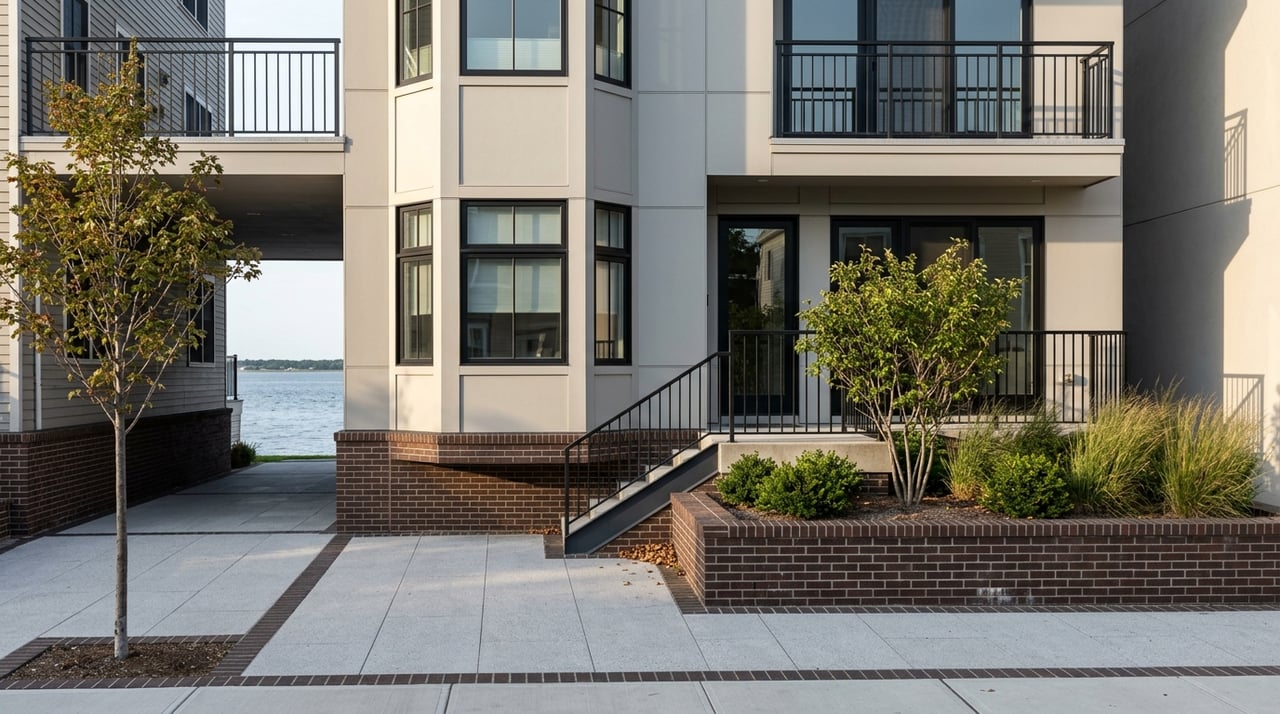
Marina Bay is best understood as a mixed-use waterfront district. State planning materials describe it as an area with primarily residential multi-unit condo buildings and large housing development clusters, alongside marinas, restaurants, and retail uses.
If you picture waterfront living with a boardwalk feel, this is the closer match. The area is known for waterfront dining and nearby everyday conveniences like boutique shopping, casual food options, a market, salons, a yoga studio, and a craft brew pub.
What housing looks like in Marina Bay
In Marina Bay, you’re more likely to see condos and larger residential buildings than detached homes. For buyers, that can mean a lifestyle that feels more lock-and-leave and less centered on yard space or a traditional neighborhood street pattern.
For renters, this kind of housing mix can also create options that are closer to amenities and shoreline activity. If you want your waterfront home to feel connected to dining, marina activity, and a built-in sense of movement, Marina Bay stands out.
What daily life feels like in Marina Bay
Daily life here tends to be amenity-rich and active. You may be able to start your day with a walk along the waterfront, grab coffee or a casual meal nearby, and enjoy a setting that feels more like a district than a purely residential enclave.
That makes Marina Bay appealing if you value convenience and energy. It can be a strong fit if you want waterfront access without giving up a connected, mixed-use environment.
Squantum: a more residential waterfront setting
Squantum offers a different version of waterfront living. Quincy’s housing plan places it among the city’s mainly single-density residential neighborhoods, and state coastal planning describes Squantum Point as a former summer resort area that shifted into year-round homes after the causeway was built.
In plain terms, Squantum feels more residential and lower density. It is better framed as the waterfront option with a stronger emphasis on detached homes, smaller-scale streets, and a neighborhood rhythm that centers more on homes and open space than on condo clusters.
What housing looks like in Squantum
If you are searching for a more traditional residential setting near the water, Squantum may feel more familiar. Compared with Marina Bay, the housing pattern points more toward detached homes and a quieter street environment.
That difference can matter a lot if you are deciding between a condo-focused waterfront district and a neighborhood that feels more established and home-centered. Your day-to-day experience may depend as much on that setting as on the shoreline itself.
What daily life feels like in Squantum
Squantum leans more toward recreation and nature. It is closely tied to outdoor access, shoreline views, and nearby public open space rather than a concentration of dining and retail.
If you want the water to feel calm, scenic, and woven into everyday walks or outdoor routines, Squantum may be the better fit. It offers a version of waterfront living that feels less commercial and more residential.
Parks, beaches, and outdoor access
One of Quincy’s biggest strengths is that waterfront living here connects you to a broader network of public open space. The city has 52 municipal park locations and 11 municipal beach areas, which gives you a lot of ways to use the shoreline beyond your immediate neighborhood.
That matters whether you are buying or renting. Even if your home is not directly on the water, you can still enjoy beaches, trails, and waterfront parks as part of daily life.
Squantum Point Park
Squantum Point Park is one of the area’s standout outdoor destinations. It is a former naval airfield that now offers Boston skyline views, birdwatching, walking and running paths, fishing, picnic areas, paved accessible trails, and access for canoeing and kayaking.
For many people, this is a big part of the waterfront draw. It gives you a place to be outside without needing a large private lot or direct private shoreline access.
Quincy Shores Reservation
Quincy Shores Reservation adds even more shoreline recreation. It includes a 2.3-mile beach, a jogging and biking trail, marsh views, picnic areas, a bathhouse, Caddy Park, Moswetuset Hummock, and a car-top boat ramp.
If your version of waterfront living includes beach walks, bike rides, or time outside on weekends, this kind of public access can add real lifestyle value. It broadens what living near the water means on a practical level.
Quincy RiverWalk and estuary access
The Quincy RiverWalk is a 2-mile trail along the Neponset River estuary. It also includes a natural beach where canoes and kayaks may be launched and landed.
The surrounding Neponset River Estuary Area of Critical Environmental Concern includes Squantum Point and is described by the state as an important wildlife habitat with marshes, floodplains, and estuary resources. If you appreciate natural scenery and habitat areas, that setting adds another layer to life on Quincy’s waterfront.
Commuting from Quincy’s waterfront
Waterfront living only works if it fits your real routine. Quincy offers several ways to get into Boston and around the region, but the best option often depends on whether you live closer to Marina Bay or Squantum.
Quincy is served by four Red Line stops: North Quincy, Wollaston, Quincy Center, and Quincy Adams. Quincy Center also connects to the Greenbush Line and the Kingston/Plymouth and Middleborough/Lakeville commuter rail lines.
Marina Bay commuting options
Marina Bay’s standout transit feature is the ferry. Service runs from Squantum Point Park to Boston’s Seaport and Aquarium/Financial District, as well as Winthrop.
That gives some waterfront residents a transit choice that feels very different from a standard car or train commute. Marina Bay also leans on road access, so for many people the combination of ferry and driving is part of the appeal.
Squantum commuting options
Squantum tends to lean more on bus-plus-road access. North Quincy is served by four MBTA bus routes, and Quincy’s walkability study notes that Route 211 continues east to Squantum. Squantum Point Park is also accessible from Route 211.
If you are comparing waterfront pockets in Quincy, commute style is an important part of the decision. Marina Bay may feel more transit-distinctive because of the ferry, while Squantum may feel more residential with practical bus and road connections.
What buyers and renters should consider
Waterfront living can be appealing, but it also requires extra due diligence. In Quincy, flood exposure should be part of your planning process.
State flood-mitigation documents identify Marina Bay and Squantum Point as among Quincy’s highest flood-risk areas, with both coastal and riverine flooding concerns. If you are buying or renting here, it is wise to ask detailed questions about a property’s location, flood history, and any building-specific protections or requirements.
Boating costs and ownership details
If you are thinking about boat ownership, there is another local detail to know. Quincy levies an annual boat excise tax if a boat is owned or moored in the city.
That may not affect every waterfront resident, but it is part of the real cost picture for some buyers and renters. If boating is part of your plan, it helps to understand those local obligations early.
Which Quincy waterfront area fits you?
If you want a waterfront home with a more urban, mixed-use feel, Marina Bay may be the better match. It offers a stronger condo presence, nearby dining and services, and a lifestyle tied closely to marina activity and waterfront convenience.
If you want a more residential waterfront setting, Squantum may be a better fit. It offers a lower-density feel, stronger connections to parks and nature, and a daily rhythm that is more home-focused.
The right choice comes down to how you want the waterfront to shape your life. Some people want energy and convenience, while others want quieter streets, open space, and a more residential feel.
If you are weighing Quincy waterfront homes, condos, rentals, or investment opportunities, local guidance can help you compare not just listings, but the lifestyle behind each address. When you’re ready to talk through your options, Jerome Bibuld can help you explore the right fit.
FAQs
What is the difference between Marina Bay and Squantum in Quincy?
- Marina Bay is a denser mixed-use waterfront district with condo buildings, marinas, dining, and retail, while Squantum is a more residential, lower-density waterfront neighborhood with stronger ties to parks and open space.
What types of homes can you find on Quincy’s waterfront?
- Marina Bay is more associated with multi-unit condo buildings and larger residential clusters, while Squantum is better known for a more residential setting with more detached homes and smaller-scale streets.
What outdoor amenities are near Quincy waterfront homes?
- Quincy waterfront living connects you to parks, beaches, and trails including Squantum Point Park, Quincy Shores Reservation, and the Quincy RiverWalk.
How do you commute from Quincy’s waterfront to Boston?
- Quincy offers Red Line access, commuter rail connections at Quincy Center, bus service including Route 211 to Squantum, and ferry service from Squantum Point Park to Boston destinations.
What should buyers know about flood risk on Quincy’s waterfront?
- State flood-mitigation documents identify Marina Bay and Squantum Point as among Quincy’s highest flood-risk areas, so buyers and renters should review flood exposure carefully before making a move.