Torn between Brookline and Newton for your next home base? You are not alone. Both towns check a lot of boxes for Greater Boston professionals, but they offer very different tradeoffs on price per square foot, commute options, and day-to-day lifestyle. In the next few minutes, you will see how they compare on housing types, cost, transit, schools, and taxes so you can focus your search with confidence. Let’s dive in.
Brookline vs Newton at a glance
- Price profile
- Brookline: higher price per square foot, with single-family assessed medians around the $2.0M range in town materials and all-homes medians often in the $1.1M to $1.6M band depending on the data source and timing. Town fiscal materials and Zillow’s all-homes index help frame the spread.
- Newton: predominantly single-family housing with municipal reporting that shows a median single-family sale price near $1,750,000 for 2024 and trending into the low $1.8M range in 2025 snapshots, per city market materials.
- Commute and transit
- Brookline: dense Green Line access on C and D branches, plus frequent bus routes and short walks to village centers like Coolidge Corner.
- Newton: Green Line D branch plus three commuter rail stops that offer direct service to South Station. Station access varies by village, which matters for daily travel.
- Walkability and lifestyle
- Brookline: more walkable overall with a townwide Walk Score around 81, anchored by compact, mixed-use village centers. See Walk Score’s Brookline snapshot.
- Newton: village-based with pockets that are very walkable, especially around Newton Centre, but overall more suburban in feel.
- Taxes
- Brookline: FY2026 residential rate scenarios around about $10.24 per $1,000 with a widely used residential exemption that lowers owner-occupied bills, according to town classification materials.
- Newton: FY2026 residential rate around $9.69 per $1,000, based on city documentation.
Housing types and pricing
Brookline housing snapshot
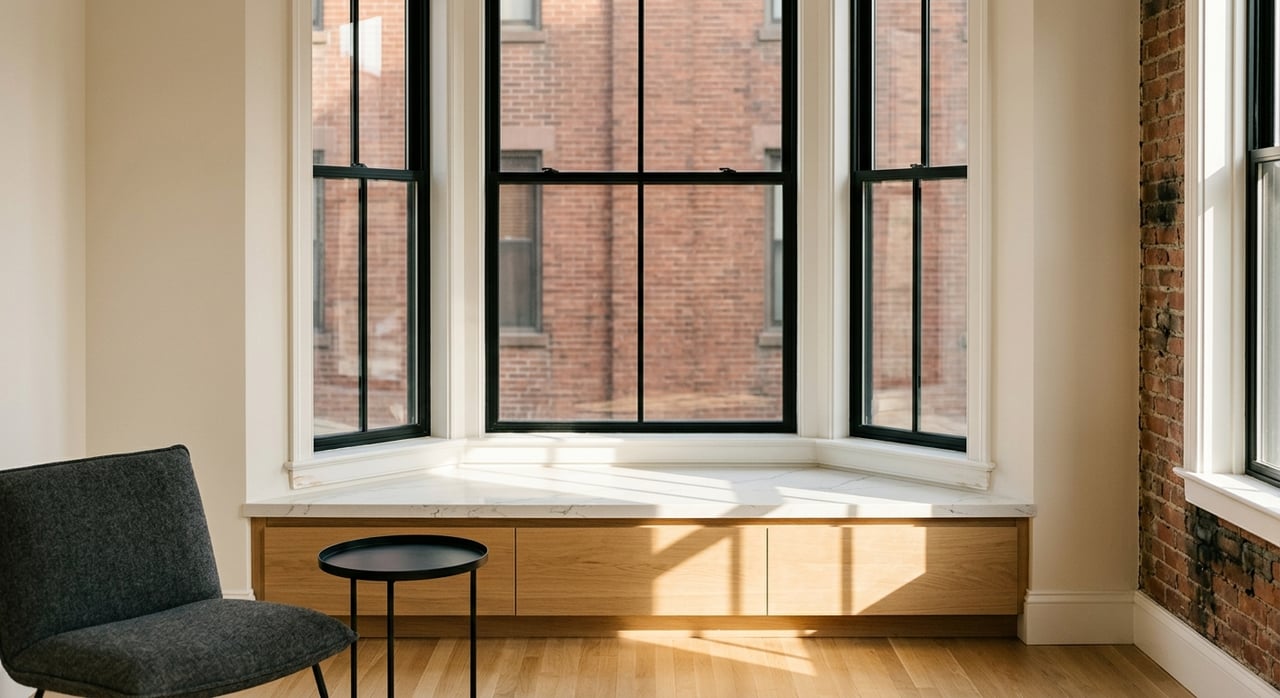
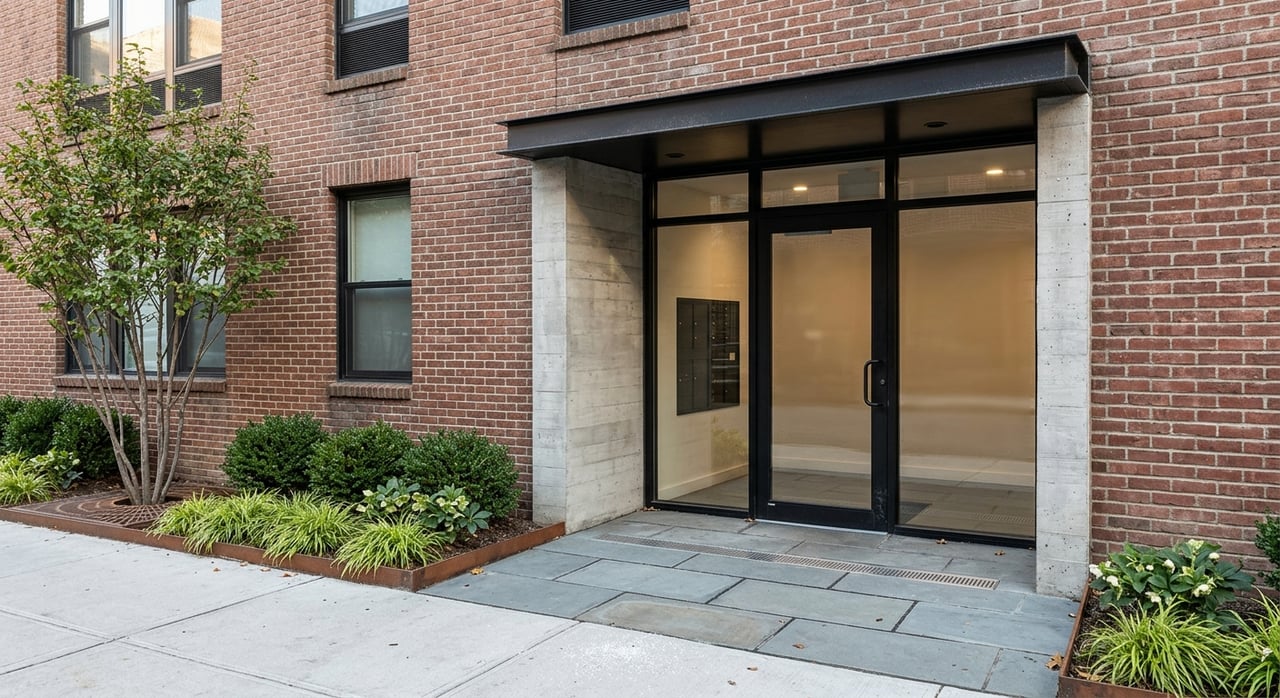
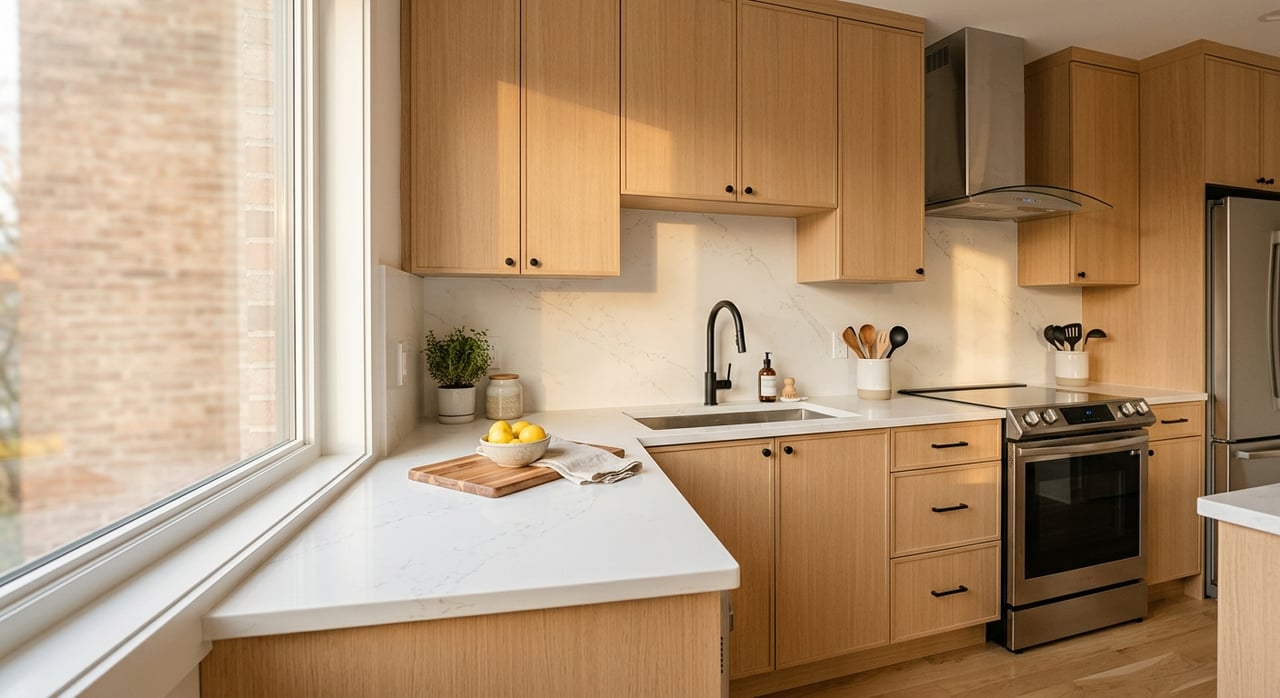
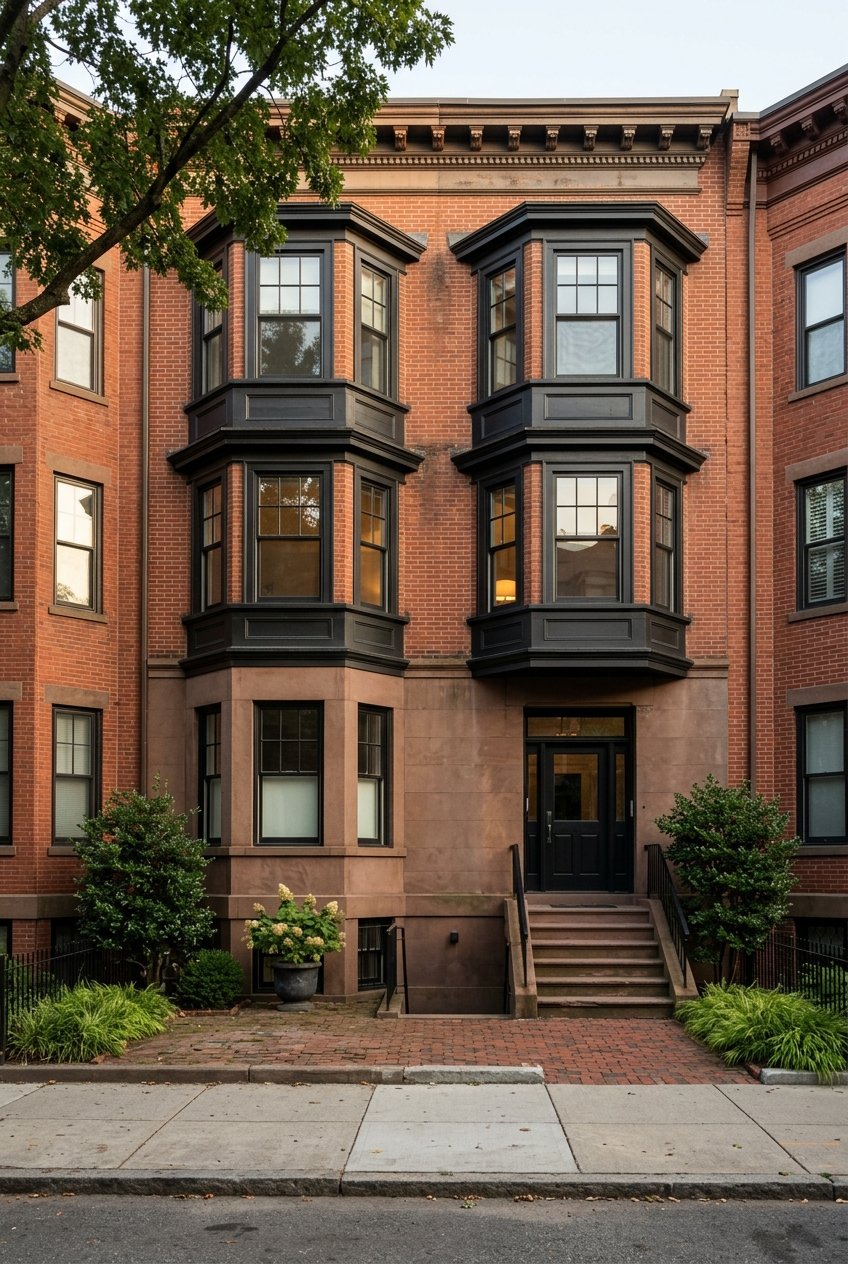
Brookline feels more urban and compact. You will see a heavy mix of condos and two or three family buildings near Coolidge Corner, Washington Square, and Brookline Village, with smaller pockets of single-family homes in areas like Fisher Hill. That mix drives a higher average price per square foot, commonly reported in the range of roughly 700 to 850 dollars per square foot depending on location and product.
When you compare medians, label what you are measuring. Town materials show single-family assessed medians around the 2.0 million dollar range, while all-homes medians from portals often fall between about 1.1 and 1.6 million dollars. That spread reflects the difference between condos, single families, and methodology. You can review both perspectives in Brookline’s fiscal slides and Zillow’s all-homes index for Brookline.
Newton housing snapshot
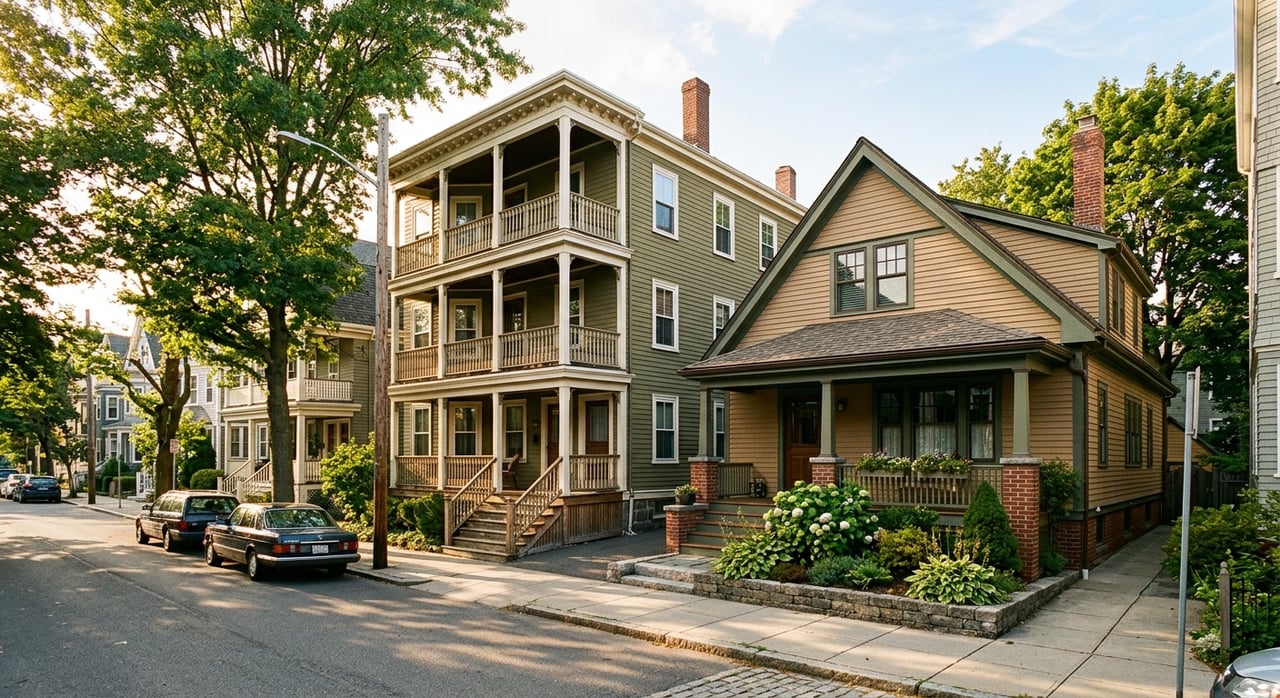
Newton is larger and primarily single-family, organized around distinct villages like Newton Centre, Waban, and West Newton. You will typically get more house and lot for the same budget compared with Brookline, even if the total price for a family home is similar in top villages. City market summaries place the median single-family sale price around 1,750,000 dollars for calendar year 2024 and into the low 1.8 million dollar range in 2025 snapshots, as shown in Newton’s materials.
Price per square foot in Newton is commonly lower than in Brookline, often reported near the mid 500s to mid 600s per square foot. That reflects larger lots and houses, not necessarily lower overall prices for comparable single-family homes in the most desirable villages.
Commute and transit tradeoffs
Brookline transit access
If you want to commute by train, Brookline delivers more Green Line stops per square mile. The C branch runs along Beacon Street through Coolidge Corner and Washington Square. The D branch serves Brookline Village and the Longwood area, which is especially useful for medical and research professionals. Walkable blocks near those stations usually mean predictable door-to-door times.
Newton transit access
Newton’s Green Line D branch serves several villages, and the city also has three Framingham or Worcester commuter rail stops at Auburndale, West Newton, and Newtonville. That rail option provides direct service to South Station. The city is actively improving station access in village centers, according to Newton planning updates. If your office is along I-90 or downtown, this mix of commuter rail and highway access can be a strong fit.
Typical travel times
At the town level, average commute times are similar. The American Community Survey shows Brookline around 27 minutes and Newton about 30 minutes on average. These are means across all workers and modes, so your actual time depends on where you live within each town and whether you ride transit or drive. You can explore ACS context on Census Reporter’s Brookline profile.
What commute fits you
- If you need daily Longwood or Fenway access, focus on blocks closest to the Green Line D near Brookline Village and Longwood.
- If you split time between downtown and western suburbs, Newton’s D branch plus commuter rail and I-90 access can reduce total travel stress.
- Always do two live test runs, one in the morning and one in the evening, to confirm door-to-door timing.
Lifestyle and walkability
Brookline’s village centers function like small urban districts with independent shops, groceries, and cultural anchors within a short walk. The overall town Walk Score is high, and that shapes daily routines. You can often run errands on foot and grab a late dinner without planning around parking.
Newton is village-based with strong local restaurants and services, but the feel is more low-rise suburban. You can still find very walkable pockets around Newton Centre and West Newton, yet many streets are quieter and more car oriented. If you want a larger yard and more private outdoor space, Newton usually has more options.
Schools and family considerations
Both Brookline Public Schools and Newton Public Schools are well regarded in Massachusetts. Brookline operates a single high school with multiple K through 8 schools, while Newton runs two high schools with many neighborhood elementary campuses. For families comparing addresses, review school assignment maps and program offerings, and consult the state’s profiles for current data. You can start with the DESE profiles for a data view, and use district planning documents to understand enrollment and resources.
Taxes, zoning, and ownership costs
Property taxes and the bottom line
Massachusetts property tax is assessed value divided by 1,000, then multiplied by the municipal rate. Small changes in assessed value or in the selected residential factor can change your bill by thousands of dollars.
- Brookline: FY2026 residential rate scenarios around about 10.24 dollars per 1,000 with a residential exemption that reduces bills for qualifying owner-occupants, per town classification materials.
- Newton: FY2026 residential rate about 9.69 dollars per 1,000, according to city materials.
The net impact depends on the home’s assessed value, whether you qualify for Brookline’s exemption, and whether the property is a condo or multi-unit.
Zoning and future supply
Brookline has a range of residential districts and dimensional controls that limit new single-family parcels, which contributes to higher per-lot pricing. You can see the code structure in Brookline’s zoning chapters. Newton is updating village center zoning to encourage more housing near transit while maintaining single-family areas elsewhere, as outlined by the city’s planning department. These policies shape where new options may appear over time.
Ownership cost checklist
- Purchase price and mortgage
- Annual property tax using the assessor formula noted above
- Condo HOA fees or, for single-family homes, yard and exterior maintenance
- Commute and parking costs
- Insurance and capital reserves for older systems or roofs
How to pick: a quick framework
- Rank your top priorities: commute time and mode, home type, school considerations, yard size, walkability, and monthly cost tolerance.
- Build two or three side-by-side scenarios. For example, a Brookline condo near the C branch vs a Newton single-family near the D branch or commuter rail. Include taxes and HOA or maintenance.
- Verify the commute with live AM and PM runs.
- Check school assignment and review DESE data for your specific addresses.
- If you want a Brookline single-family, plan for scarcity and more competition. In Newton, map your village choices by walkability and transit first, or shift outward for larger lots.
Which delivers better value
It depends on product and location. Brookline often carries a higher price per square foot driven by walkable, transit-rich blocks and a large condo market. Newton typically delivers more space and land for the same budget, though top villages can price near Brookline single-family levels. When in doubt, compare a short list of relevant comps rather than broad averages. Portal snapshots, like Redfin’s Brookline market page, can help you track direction while you fine tune your search.
Next steps
Choosing between Brookline and Newton gets easier when you see real options that match your lifestyle and numbers. If you want local, fast, and practical guidance, connect with Jerome Bibuld for a short strategy call. You will get a clear set of on-market and private options, a commute-tested route plan, and a side-by-side monthly cost breakdown so you can move forward with confidence.
FAQs
Walkability comparison between Brookline and Newton
- Brookline is more walkable overall with a high townwide Walk Score, while Newton has very walkable pockets like Newton Centre but is more suburban in feel overall, per Walk Score’s Brookline snapshot.
Typical home prices in Brookline vs Newton today
- Brookline materials show single-family assessed medians around 2.0 million dollars and portal all-homes medians often in the 1.1 to 1.6 million dollar range, while Newton’s city summary shows a 1.75 million dollar median single-family sale price for 2024 and low 1.8 million dollars in 2025 snapshots.
Commute times if you work in Longwood or downtown Boston
- Town-level ACS averages are similar, with Brookline around 27 minutes and Newton around 30 minutes, but your actual time hinges on proximity to Green Line D in Brookline or to Newton’s D branch and commuter rail stops, as noted by ACS and Newton planning.
Property tax differences between Brookline and Newton
- Newton’s FY2026 residential rate is about 9.69 dollars per 1,000, while Brookline’s scenarios are around 10.24 dollars per 1,000 with a residential exemption that lowers bills for many owner-occupants, per town and city materials.
Condo vs single-family: which town fits each best
- If you want a condo and village life near the Green Line, Brookline offers the deepest inventory and highest walkability, while Newton generally offers more single-family options with larger lots near the D branch and commuter rail, according to local housing snapshots and city planning context.