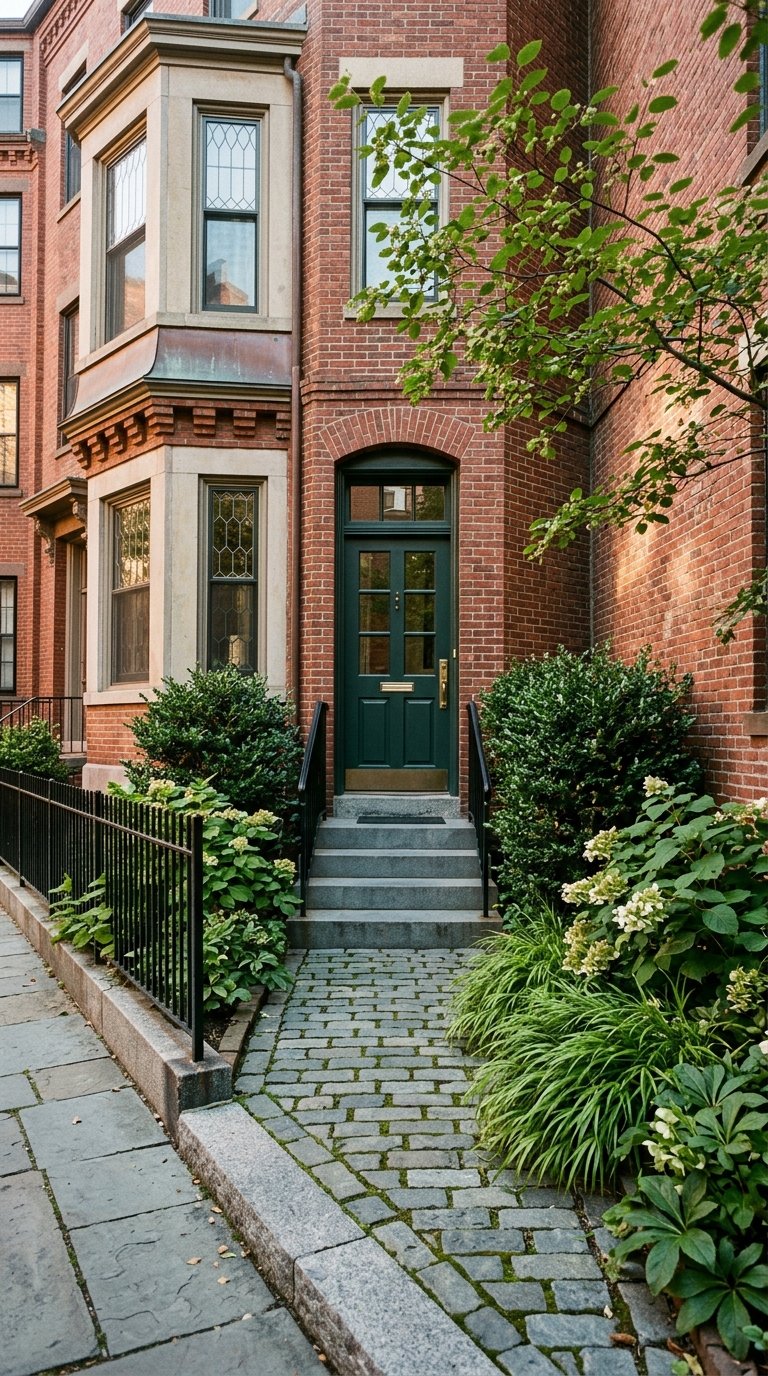
Wondering whether Jamaica Plain actually lives up to the hype? If you are thinking about moving within Boston, JP often comes up as a neighborhood with strong local character, easy outdoor access, and a lifestyle that feels more grounded than hectic. The good news is that Jamaica Plain offers a mix of neighborhood-scale living, active business corridors, and transit connections that make day-to-day life feel both practical and interesting. Let’s dive in.
Jamaica Plain at a Glance
Jamaica Plain, often called JP, is one of Boston’s most dynamic neighborhoods according to the City of Boston’s neighborhood guide. The city describes it as a classic streetcar suburb, which helps explain why the area feels more residential and layered than many parts of central Boston.
JP is not one single vibe or district. Boston identifies several distinct areas within the neighborhood, including Hyde Square, Jackson Square, Centre/South, Forest Hills, Sumner Hill, Stonybrook, Egleston Square, and Jamaica Hills. That means your experience can vary depending on where you live, even while staying within the same neighborhood.
What Daily Life Feels Like
One of the biggest reasons people are drawn to Jamaica Plain is that daily life tends to feel local rather than downtown-oriented. The city notes that the neighborhood’s Main Street business districts are full of local businesses, shops, and restaurants, which creates a more community-scaled rhythm for errands, dining, and weekend plans.
In practical terms, that often means you can live on a quieter residential street and still be close to a commercial corridor. You may not get the same dense, high-rise energy you would find in central Boston, but you do get a setting that blends residential blocks with active neighborhood streets.
That balance is a big part of JP’s appeal. It feels urban, but not overly intense. It feels active, but still rooted in everyday routines.
JP Has Distinct Pockets
A big part of living in Jamaica Plain is finding the section that fits your lifestyle best. Because JP includes several smaller areas, it helps to think of it as a collection of connected pockets rather than one uniform neighborhood.
Hyde Square and Jackson Square
According to the city, Hyde Square and Jackson Square are part of the neighborhood’s cultural and commercial core. The Latin Quarter Cultural District is especially notable here, with more than 125 businesses and a strong presence of Latino specialty shops, restaurants, and cultural events.
If you like being near active streets, small businesses, and a strong cultural identity, this part of JP may stand out. The atmosphere here tends to feel lively, local, and connected to neighborhood events.
Centre and South
The city highlights Centre and South as part of JP’s network of business districts and hidden gems. This area supports the idea that Jamaica Plain is built around walkable daily routines, with local businesses woven into neighborhood life.
For many buyers and renters, this is the kind of setup that makes a neighborhood feel livable long term. You are not relying on one big commercial strip. Instead, you get smaller centers of activity spread throughout the area.
Forest Hills
Forest Hills stands out for its transportation and access to green space. Boston notes that Jamaica Plain is easily accessible by the Orange Line and bus routes, and Forest Hills plays an important role in that connectivity.
If your routine includes commuting or getting around without driving everywhere, this part of JP may feel especially convenient. It also sits close to some of the neighborhood’s strongest outdoor assets, which adds to its appeal.
Sumner Hill and Jamaica Hills
The city points to Sumner Hill as a historic part of the neighborhood, and planning materials reinforce JP’s strong architectural identity. If you are drawn to older homes, residential streets, and historic character, this side of Jamaica Plain may feel especially appealing.
Jamaica Hills adds to that quieter, more residential impression. These areas help show why JP appeals to people who want neighborhood character without giving up access to the rest of Boston.
Outdoor Space Is a Real Lifestyle Perk
If outdoor access matters to you, Jamaica Plain has one of the strongest green-space networks in Boston. This is not just a neighborhood with a park or two. It is a place where green space is part of daily life.
Jamaica Pond
Jamaica Pond is one of JP’s best-known landmarks, and for good reason. The City of Boston says the park draws people for concerts, children’s programs, theater performances, rowing, sailing, fishing, running, and biking.
That range of uses matters because it shows the pond is more than just scenic. It functions as both a recreational anchor and an everyday place to walk, exercise, or unwind.
Arnold Arboretum
The Arnold Arboretum adds another major outdoor destination nearby. Harvard describes it as a 281-acre landscape that is open daily and free to the public, with more than 15,000 accessioned plants and access by subway, bus, bike, or car.
For residents, that means a major green resource is built into the neighborhood experience. It is a place for walks, seasonal scenery, and a break from the pace of the city.
Southwest Corridor and Forest Hills Cemetery
The city’s Boston Green Links initiative describes the Southwest Corridor as a 4.7-mile linear park connecting Jamaica Plain, Roxbury, and Downtown Boston. The city is also working on connected paths, bike facilities, and safer crossings to support easier walking and biking.
Boston also identifies Forest Hills Cemetery as a 275-acre cemetery, greenspace, arboretum, and sculpture garden. Together, these spaces give JP an unusually strong outdoor identity for a Boston neighborhood.
The Food and Small Business Scene
Jamaica Plain’s food and retail scene is tied closely to local business districts rather than chain-heavy development. According to the city, JP’s Main Street areas are full of local businesses, shops, and restaurants, which shapes the neighborhood’s day-to-day feel.
That matters if you want a neighborhood where small businesses are part of your routine. Instead of one polished commercial core, JP offers a more layered experience with local spots spread across several pockets.
The Latin Quarter Cultural District is one of the clearest examples of that. The city describes it as a hub for Latin and Afro-Latin art and cultural events, alongside its shops and restaurants. This gives part of JP a distinct cultural energy that stands out within Boston.
Housing in Jamaica Plain
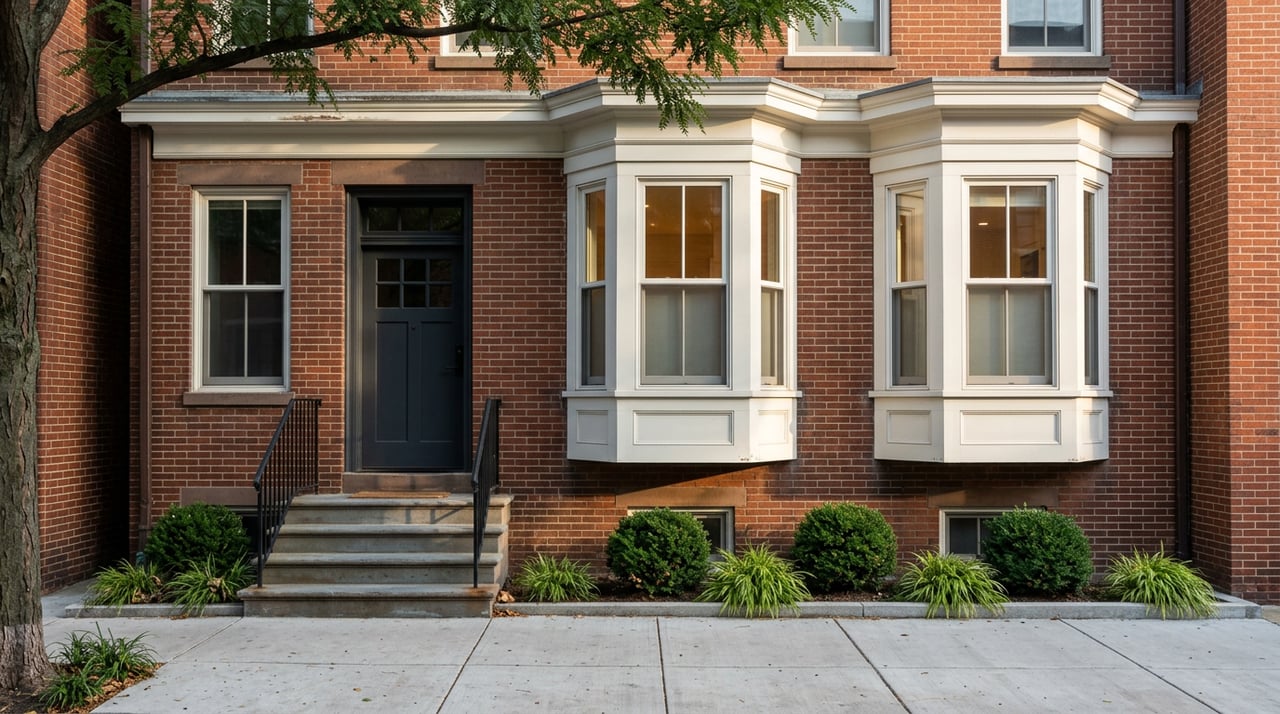
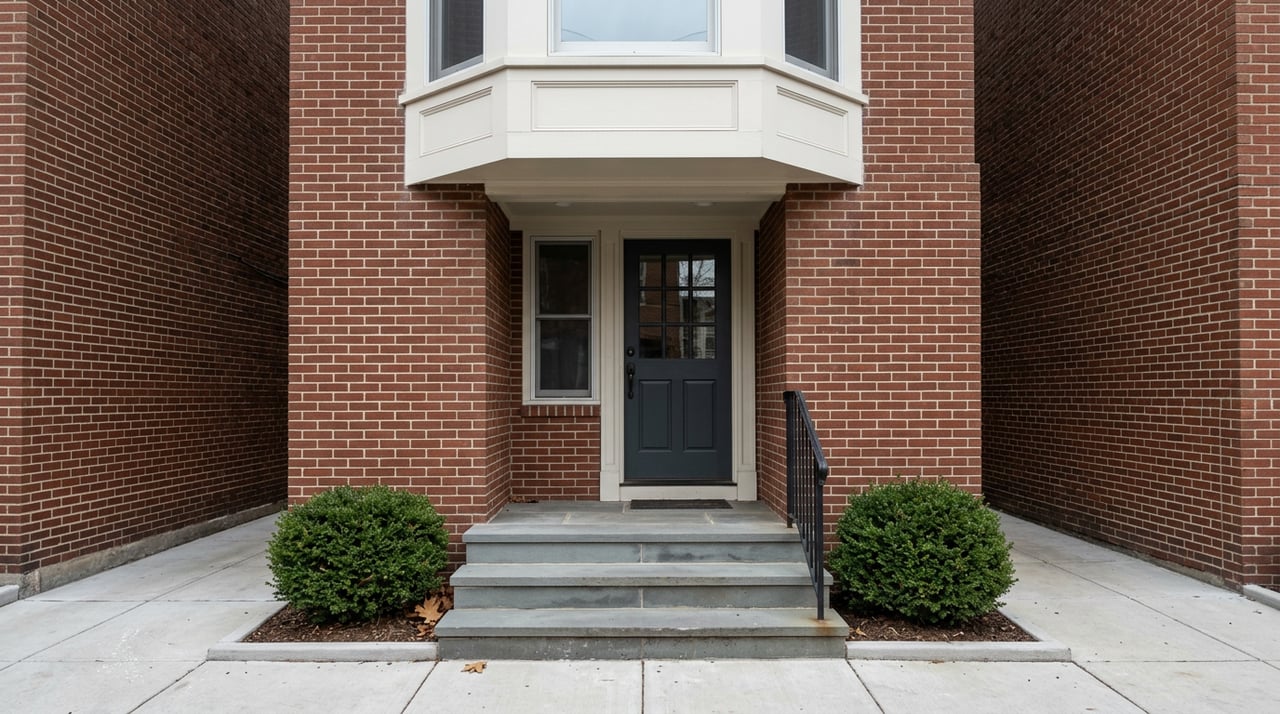
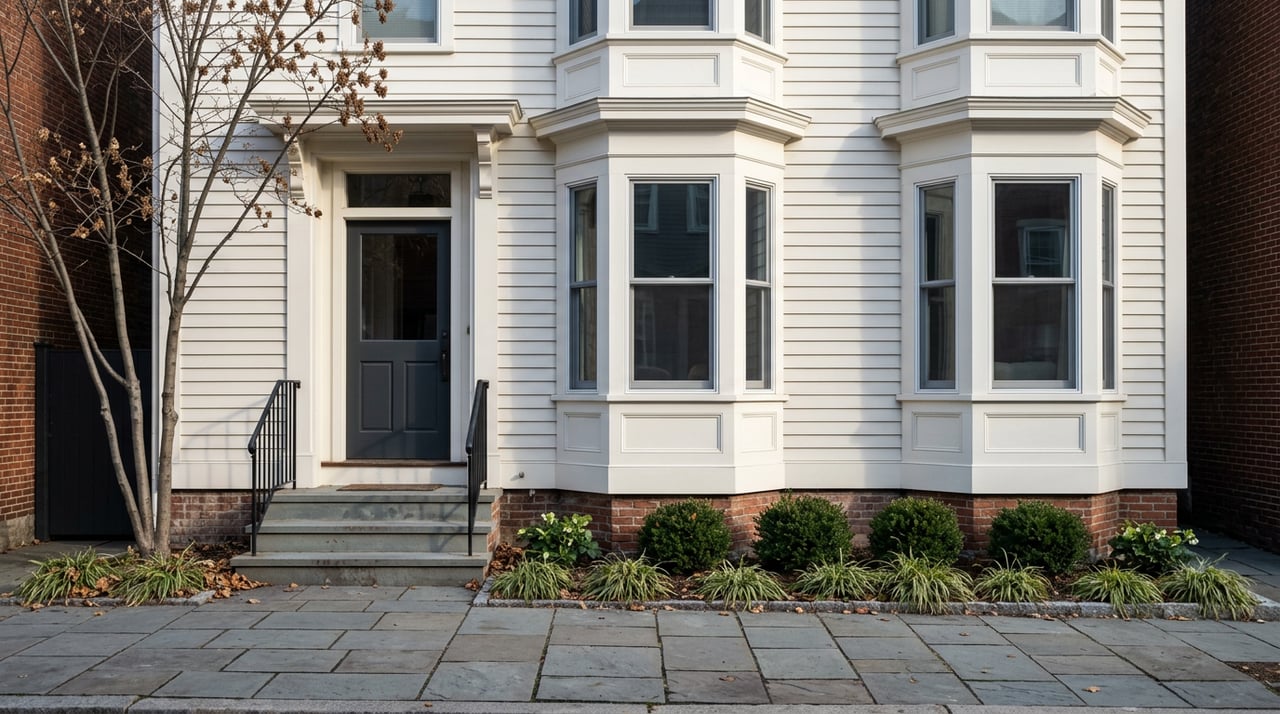
Housing is another reason JP draws such a wide range of buyers and renters. Official planning materials say the neighborhood is identifiable by its many triple-decker homes, and the city also points to historic homes in areas like Sumner Hill.
That gives Jamaica Plain a built environment with a lot of visual variety. You will see older residential stock, historic properties, and multifamily housing that reflects Boston’s long development history.
Historic Homes and Triple-Deckers
According to Boston planning materials, triple-deckers are a defining housing type in JP. The same materials, along with the city’s neighborhood guide, support the neighborhood’s reputation for historic homes and older architectural character.
For buyers, that often translates to more personality in the housing stock. For investors and owner-occupants, it also means Jamaica Plain includes property types that reflect Boston’s classic multifamily pattern.
Newer Development Adds Variety
JP is not frozen in time. The city has documented newer residential projects in the neighborhood, including 75 Amory Avenue, along with other multifamily and homeownership developments near transit and commercial corridors.
That newer development adds to the neighborhood’s housing mix. While the official sources do not frame this as a condo-heavy market specifically, they do show that Jamaica Plain continues to evolve with a blend of historic and newer housing options.
Getting Around From JP
Transportation is one of Jamaica Plain’s most practical strengths. Boston describes the neighborhood as easily accessible by the Orange Line or bus routes, and that shows up in how many residents move through the city.
The Route 39 transit corridor is especially important because it serves Jamaica Plain and connects Forest Hills to Back Bay, while also linking riders to the Orange Line and Commuter Rail. That gives JP real utility for commuting and everyday travel.
For people who want to rely less on a car, the neighborhood’s transit and path network can be a major plus. Between rail, bus access, and greenway connections, JP offers a setup that supports walking, biking, and transit-based routines.
Is Jamaica Plain Right for You?
If you want a neighborhood that feels more local and layered than central Boston, Jamaica Plain is worth a serious look. Its character comes from the mix of distinct subareas, neighborhood business corridors, historic housing, and standout green space.
It can be a strong fit if you value walkable routines, access to parks and trails, and housing that ranges from classic triple-deckers to newer multifamily development. It may also appeal if you want a Boston neighborhood where local identity still shapes daily life.
If you are exploring homes, condos, multifamily opportunities, or rentals in JP, working with a local expert can help you narrow down which part of the neighborhood fits your goals. If you want guidance on Jamaica Plain and the broader Boston market, connect with Jerome Bibuld to schedule a free consultation.
FAQs
What does living in Jamaica Plain feel like compared with downtown Boston?
- Jamaica Plain generally feels more neighborhood-scaled, with residential blocks, local business districts, and a less intense pace than central Boston, according to the City of Boston’s neighborhood guide.
What outdoor spaces are available in Jamaica Plain?
- Jamaica Plain includes major outdoor destinations such as Jamaica Pond, the Arnold Arboretum, the Southwest Corridor, and Forest Hills Cemetery, giving residents strong access to recreation and green space.
What types of homes are common in Jamaica Plain?
- Official planning materials describe Jamaica Plain as having many triple-deckers, historic homes, and a growing mix of newer multifamily and homeownership development.
How do residents get around Jamaica Plain and Boston?
- Residents often use the Orange Line, local bus routes such as Route 39, and walking or biking connections like the Southwest Corridor to travel within JP and into other parts of Boston.
Does Jamaica Plain have a strong local business scene?
- Yes, the City of Boston describes JP’s Main Street districts as full of local businesses, shops, and restaurants, with Hyde Square and Jackson Square offering a particularly strong cultural and commercial presence.