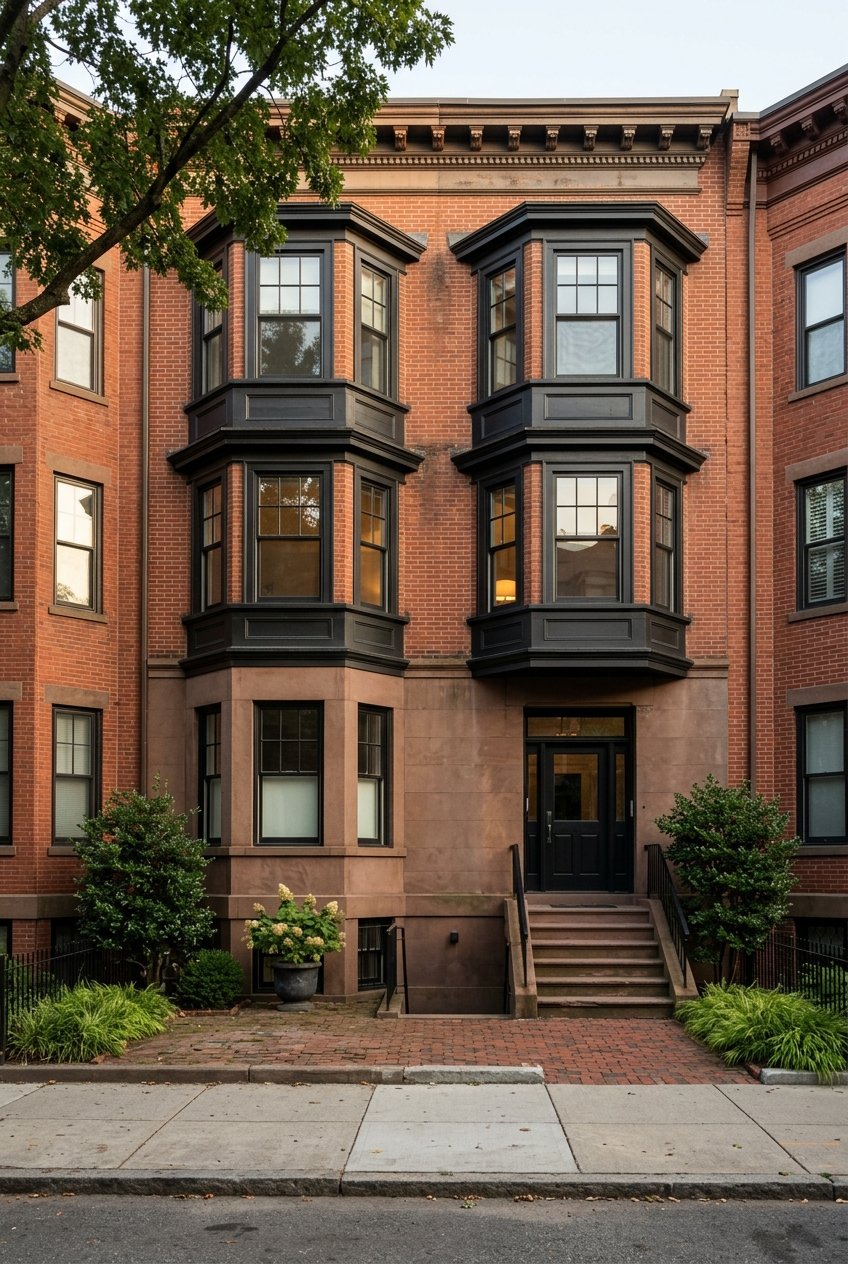
Looking at a multi‑family in Allston and wondering how to size up the upside and the risks? You’re not alone. The neighborhood’s strong rental demand, heavy student and young‑professional presence, and major projects nearby make it attractive, but the details matter. In this guide, you’ll learn how to read the market, build a clean underwriting model, and spot the local rules that can make or break returns. Let’s dive in.
Why Allston appeals to investors
Allston sits within Allston‑Brighton, a dense, transit‑served area with steady renter demand. The demographic skews younger, with many residents in their 20s and early 30s, which supports roommate households and frequent move cycles. That rhythm shapes how you plan leases, turnovers, and vacancy.
Large projects add long‑term tailwinds. The Allston Yards plan, the Boston Landing area, and Harvard’s expansion in Lower Allston are reshaping jobs and daily foot traffic. Early signs point to block‑by‑block differences as these areas build out. You can review the neighborhood context in the BPDA Allston‑Brighton profile and see coverage of Allston Yards’ approval to understand why certain pockets may see stronger rent and price growth over time.
- See the BPDA’s Allston‑Brighton overview for demographics and transit context at the “At a glance” page: Allston‑Brighton profile
- For a look at a major pipeline catalyst, read this overview of the Allston Yards approval
Who rents here and when demand peaks
Students and young professionals drive leasing in Allston. Expect a pronounced late‑summer turnover, with many leases cycling in August and September. Build your rent‑up plan and vacancy assumptions around that schedule so your unit marketing hits when demand is deepest. Units positioned for roommates often lease quickly near the September window, while renovated, smaller formats can attract young professionals year‑round.
What you’ll underwrite in Allston
Common building types
You’ll see classic Boston forms: 2‑ and 3‑family triple‑deckers and smaller 2–6 unit brick walk‑ups, plus some larger walk‑up blocks and newer mixed‑use near transit corridors. Triple‑deckers, typically one unit per floor, are a core target for small‑portfolio buyers because they offer flexible exit options and clear renovation paths.
Parking, systems, and lead considerations
Many older buildings offer limited off‑street parking and older mechanicals. Budget for near‑term capex on boilers, roofs, and porches if the seller’s records are thin. Most pre‑1978 properties raise lead‑paint compliance questions. Under Massachusetts law, if a child under six will occupy a unit, you must address lead hazards and obtain required letters of compliance or interim control. Review the seller’s documentation and check state records before you finalize your offer assumptions.
- Learn about owner duties under the Massachusetts Lead Law
Key rules to model from day one
Rental registration and inspections
Boston requires all private rentals to register annually. Properties are selected for proactive inspections on a cycle. Noncompliance can lead to fines and can delay closings or occupancy. Always verify registration status and check for open violations during diligence.
- Review the City’s rental registration program
Short‑term rental eligibility
If your plan includes any short‑term rental revenue, confirm eligibility first. Boston classifies STR use types and requires registration. Do not count unverified STR income in your pro forma.
- Read Boston’s short‑term rental rules
Zoning and unit additions
Allston includes subdistricts like 3F‑4000 that set limits for lot area, FAR, height, and additional lot area per added unit. Some multifamily uses require relief. If you are considering adding a unit or converting space, plan for a zoning review and potential Board of Appeal process. Early checks save time.
- For context on zoning and relief, see BPDA planning recommendations tied to BOA matters: BPDA zoning recommendations
Property taxes and classification
Taxes are a major operating line. Boston publishes FY tax materials each year, showing different nominal rates for residential and commercial classes. Classification and unit count matter for your model. Confirm the parcel’s class and past bills, and adjust for any change in use that might trigger reclassification.
- See the City’s FY26 tax overview: Boston property taxes
Fast market signals you can pull
Sales context and pricing ranges
Public listings and records show a wide band in Allston pricing. Smaller 2‑unit properties can trade in the high six figures, while larger 4+ unit buildings and development‑scale lots can reach into the low millions. Use per‑unit and per‑square‑foot comps from the same block and the same year wherever possible. For final pricing, ask a local broker for a current MLS comp set and recent off‑market trades that public portals may miss.
Rents and seasonality
At the zip code level, 02134 has shown average rents in the low $3,000s in recent snapshots. As of February 2026, that zip‑level average is a useful upper‑bound reference because it blends newer amenity buildings with older stock. For smaller walk‑ups, current listings often show studios in the low to mid $2,000s, one‑bedrooms in the mid $2,000s to around $3,000, and two‑bedrooms roughly $3,000 to $4,500 depending on condition and proximity to transit. Always filter for the same block and refresh data before submitting an offer.
- Zip‑level averages: RentCafe 02134
- Unit‑level ranges: ApartmentAdvisor Boston market report
Quick rent snapshot (screening stage)
| Unit type | Typical range | Source note |
|---|---|---|
| Studio | Low to mid $2,000s | ApartmentAdvisor listings, Feb 2026 |
| 1‑bed | Mid $2,000s to ~$3,000 | ApartmentAdvisor listings, Feb 2026 |
| 2‑bed | ~$3,000 to ~$4,500 | ApartmentAdvisor listings, Feb 2026 |
| Zip 02134 avg | Low $3,000s | RentCafe, Feb 2026 upper‑bound reference |
Use September stabilization for student‑facing units. If you plan to capture roommate demand, adjust your vacancy and turnover costs to reflect higher churn during late summer.
Step‑by‑step underwriting checklist
Follow this workflow for a 2–6 unit deal. Re‑run your model as you verify each item.
1) Initial screening
- Quick comp pass. Identify 3–5 recent solds on the same street or nearby with similar unit count and size. Pull asking rents for equivalent units on the same blocks. Save assessed value and the current tax bill. Photos help you gauge basic condition.
- Rough pro forma. Set scheduled rents from current listings. Add a vacancy allowance of 5 to 10 percent based on seasonality and tenant mix. Do not include short‑term rental income unless eligibility is confirmed under City rules.
2) Lender and financing prelims
- Talk to a lender before you write. Owner‑occupant loans and investor loans underwrite differently. Get a pre‑qual letter and a rate/term range so you can model debt service and move quickly if the seller sets a tight timeline.
3) Full pro forma during diligence
- Income. Effective Gross Income equals Scheduled Rents plus Other Income (parking, coin‑op laundry, utility bill‑backs) minus vacancy and credit loss.
- Expenses. Property taxes (use the City assessor and FY class rates), insurance, owner‑paid utilities, repairs and maintenance, landscaping and snow, management fee, and a capex reserve. For small Boston walk‑ups, a professional management fee often runs 6 to 8 percent; owner‑operators may plan lower. Set a capex reserve between $300 and $1,000 per unit per year depending on age and known needs.
- Returns. NOI equals EGI minus operating expenses. Cash‑on‑cash equals (NOI minus debt service) divided by equity. Model baseline rent growth at 0 to 3 percent in the first years and test a downside vacancy case.
4) Value‑add levers to test
- Renovate units to meet renovated‑comp rents, one at a time to manage cash flow. Add laundry or paid parking if feasible. Consider legal conversions only if zoning and permitting allow it. Any scope should include realistic bids and a payback timeline in your model.
5) Taxes and structure
- Confirm how the parcel is classified today and how a change in unit count or use could shift it. The City’s FY26 materials show different nominal rates for residential and commercial classes, so classification directly affects expenses. Pull the assessor’s record and historical tax bills before you finalize an offer price.
6) Final checks before close
Get a clean rent roll, copies of all leases, 12 months of utility bills, and invoices for major systems like boilers and roofs. Order inspections. Confirm City rental registration status and check for any open housing or code violations. If STR income is part of the plan, confirm registration eligibility in writing.
City references: rental registration details are outlined in the City’s program guide; STR rules appear in the City’s ordinance summary.
Red flags that kill returns
- Unregistered rentals or open housing/code violations that can stall closings and trigger immediate abatement work.
- Nonconforming unit counts, illegal egress, or unpermitted conversions that invite enforcement or require relief.
- Lead‑law exposure for pre‑1978 units when young children occupy the household, which can create material remediation costs.
- Heavy deferred maintenance on roofs, porches, siding, and boilers that push large capex into the first ownership years.
- Short‑term or amenity income modeled without verified City registration or platform compliance.
For zoning background and patterns in appeal recommendations, the BPDA’s planning memos are a good starting point: BPDA zoning recommendations.
Where a local broker adds value
A local Allston specialist can tighten your numbers and your timeline. Here is where the right partner helps most:
- Before you submit a competitive offer. You can get block‑level MLS comps, off‑market reads, and recent trade histories that public portals may miss.
- Pricing triangulation. A broker can benchmark price per unit, price per square foot, and rent multipliers across micro‑pockets of Allston and Lower Allston.
- Zoning and permitting. For any potential unit addition or change of use, lean on a broker’s network, or a zoning attorney, to pull prior filings and timelines.
- Capex and lease‑up plans. Vetted local contractors and leasing teams help you price renovations and reduce vacancy during peak turn.
- Financing intros. Local banks and portfolio lenders often price small multifamily differently than national players.
Your next step
Allston can work very well for small‑portfolio investors who underwrite carefully and plan for the neighborhood’s leasing rhythm. If you want block‑level comps, a second set of eyes on your pro forma, or help lining up contractors and lenders, schedule a free consultation with Jerome Bibuld. You’ll get locally grounded numbers, access to private inventory, and a plan to shorten vacancy.
FAQs
What makes Allston attractive for multi‑family investing?
- Strong transit access, a high share of renters, and major projects like Allston Yards and Harvard’s expansion support steady demand and long‑term upside.
How should I time lease‑ups in Allston’s student market?
- Target August to September for peak demand, use September stabilization in your model, and budget for higher turnover costs in student‑facing units.
What is a triple‑decker and why does it matter?
- A triple‑decker is a three‑story building with one unit per floor; in Boston it’s a common, flexible form that allows staged renovations and clear rent‑by‑unit pricing.
How do Boston taxes affect my pro forma?
- Boston’s FY26 materials show different nominal rates for residential versus commercial classes; confirm parcel classification and use actual assessor data for the tax line.
Can I count short‑term rental income in Allston?
- Only after confirming eligibility and registration under Boston’s STR ordinance; unregistered STR income should not be modeled.
What is 3F‑4000 zoning in simple terms?
- It is a three‑family residential subdistrict with specific limits on lot area, FAR, height, and added unit area; many changes may require zoning review or relief.