Thinking about buying a Boston triple-decker or a small apartment building this year? You are not alone. Investor interest is steady, rents are still high by national standards, and mortgage rates have eased from recent peaks. At the same time, prices per unit and cap rates remain tight, and local policy shifts are changing the calculus for small landlords. In this guide, you will see what the data says, how to underwrite in today’s conditions, and where small investors can find an edge. Let’s dive in.
Rents and yields in 2026
Boston’s advertised rents remain among the highest in the country, with recent datasets showing a typical city rent a little above $3,000 and modest year-over-year growth. That means strong potential gross income per unit, but it does not guarantee rapid rent growth. Build your numbers around realistic, steady-state rents and prepare for normal turnover.
On pricing and yields, national broker research places Boston firmly in the gateway-market camp. The latest cap rate survey shows stabilized multifamily yields at the lower end of national ranges for similar markets, including mid 4 percent for certain Class A product, with broader averages somewhat higher. You can review the Boston context in the H2 2025 cap-rate survey from CBRE’s cap rate report. Market summaries also reported 2025 metro sales volume around $3.1 billion and an average price near $499,000 per unit, underscoring the premium you should expect to pay in this region. See the Boston metro snapshot in Matthews’ multifamily market insights.
What it means for you: plan on thinner entry cap rates and focus on strategies that improve net operating income over time. Value often comes from buying below replacement cost, using favorable owner-occupant financing on 2 to 4 units, or executing thoughtful unit turns where rent and expense assumptions are realistic.
Supply, pipeline, and policy shifts
City planning activity has been busy. The Boston Planning and Development Agency has processed large volumes of projects in recent years, including thousands of newly approved homes, and the City adjusted inclusionary rules that lower the affordable-housing threshold from 10 units to 7 units while increasing set-aside requirements. Those changes make small new development more complex and can affect the residual land value for projects near that threshold. Read the BPDA update on approvals and inclusionary changes in this BPDA planning recap.
Downtown, the office-to-residential pilot is generating a pipeline of conversion proposals and a few active projects. The program extension signals the City’s intent to add housing through adaptive reuse, with some projects benefiting from long tax abatement structures. You can track the pilot’s early results in this Bisnow overview of Boston’s conversion efforts.
Policy risk is also part of the 2026 backdrop. A rent control-style statewide ballot initiative advanced an early certification step in 2025. If enacted, it would change the long-term risk-reward profile for landlords and could influence rent growth, turnover decisions, and renovation timelines. Stay current through reporting like Axios’ update on the rent control ballot effort.
Investor takeaway: the pipeline will add units over several years, which can pressure top-of-market rents in certain pockets, while policy shifts can alter your holding strategy. Underwrite for steady rents, longer hold periods, and clear compliance costs.
Small multifamily stock and where it fits
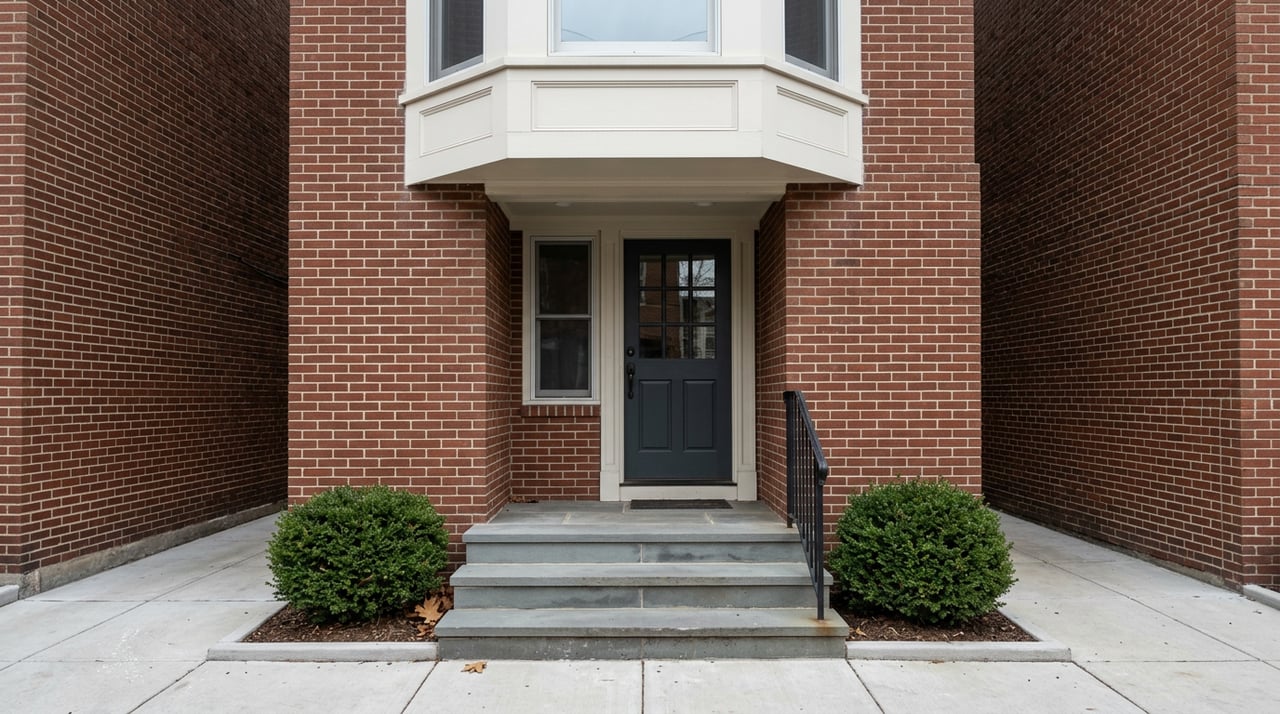
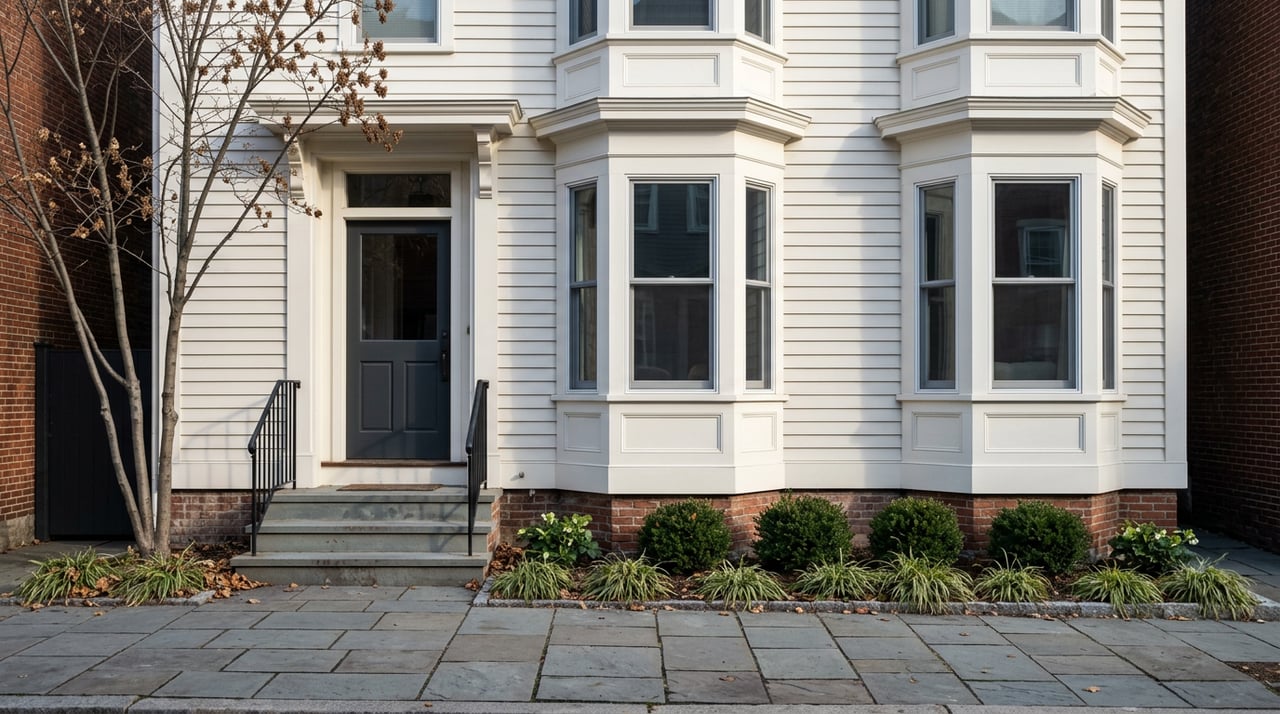
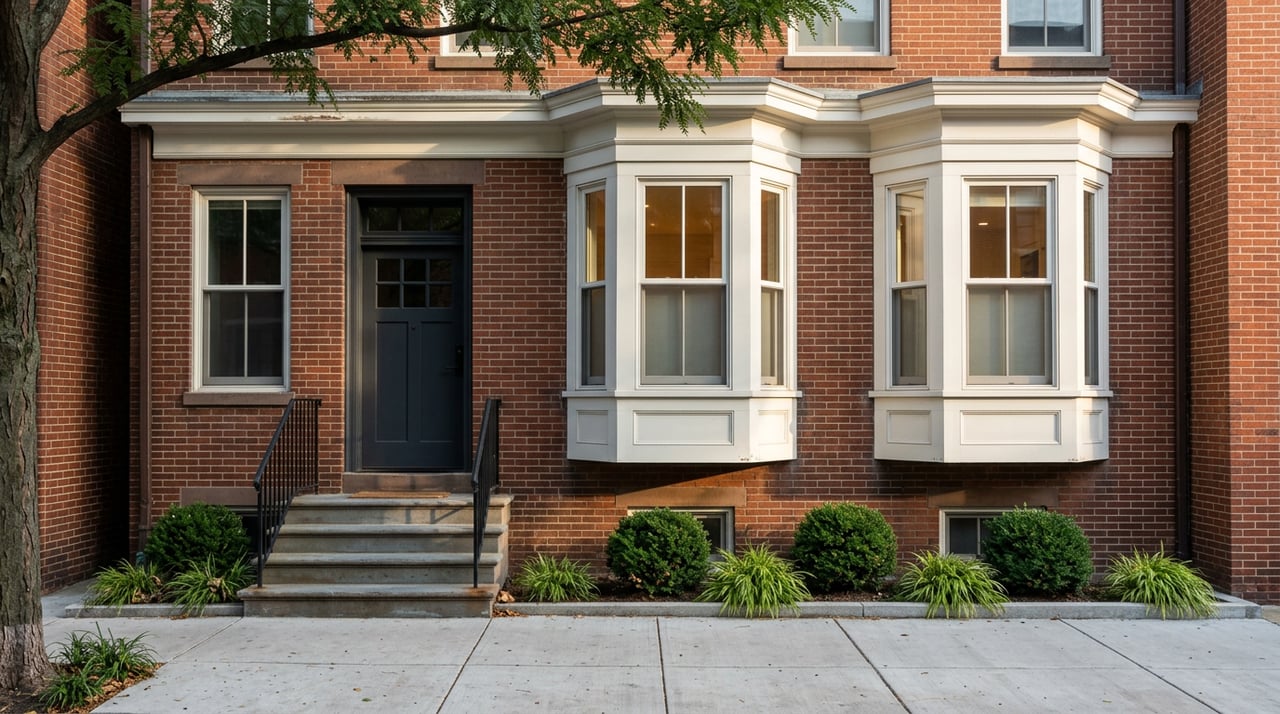
Two-to-four-unit buildings are part of Greater Boston’s core housing fabric. Triple-deckers and similar wood-frame buildings are common in many streetcar-era neighborhoods and remain an important pathway for owner-occupants and small landlords. This stock offers house-hacking potential and hands-on cash flow opportunities, but older buildings typically require more maintenance and code diligence. For an overview of how small multifamily continues to support ownership, see Harvard JCHS on small multifamily.
How to apply that insight:
- If you want steadier cash flow, look for smaller, well-kept 2 to 4 unit properties at attainable price-per-unit levels where advertised rents are supported by local comps.
- If you want upside, focus on buildings with clear renovation paths and measurable rent gaps after turns. Bake in realistic capex for older systems and code updates.
- For 5 to 20 units, understand that acquisition lending, reserves, and DSCR hurdles are more institutional and require cleaner financials.
Financing options by unit count
Financing depends on the unit mix and your occupancy plan.
- 1 to 4 units, owner-occupied. Many buyers use residential mortgage programs. Agency definitions treat owner-occupied 2 to 4 unit properties as residential for many purposes, and rental income from other units can sometimes be counted with the right documentation. For program treatment details, see this Federal Register summary of agency definitions.
- 5+ units or non-owner-occupied portfolios. These loans are usually underwritten as commercial debt, with lenders focused on DSCR, stabilized NOI, and replacement reserves. If you are stepping into 5+ units, your lender set and underwriting rules will look different. For a plain-English view of lender focus in today’s market, see Matthews’ market commentary.
Rate environment. Long-term mortgage rates eased into the low-to-mid 6 percent range by early 2026, which helps purchasing power compared with 2024 peaks. Still, you should stress-test higher rate scenarios because spreads and lender overlays can shift. Get the broad picture in this Associated Press update on mortgage rates.
Underwriting steps that work
In a high-price, tight-yield market, disciplined underwriting protects you. Use this quick framework:
Start with conservative income. Use market-supported rents, then haircut gross potential income by 5 to 10 percent for collection loss and vacancy in older stock. This keeps your pro forma honest in case lease-up takes longer or tenants turn more often.
Right-size expenses. Older wood-frame buildings often bring higher maintenance and capital needs. Plan for code updates, egress work, sprinklers where required, and exterior upkeep. The small multifamily stock’s age and condition profile is a known factor in Boston, as the JCHS research on small multifamily notes.
Stress test DSCR or coverage. For 1 to 4 unit owner-occupied loans, test whether your net rental income supports your PITIA with a margin of safety. For 5+ unit commercial loans, test DSCR at current rates and add 150 to 250 basis points to see how coverage holds up.
Model a longer hold. Boston’s premium pricing means you typically earn your return over a 7 to 10 year horizon. Run a base case with flat rents for the first 12 to 24 months, modest growth thereafter, and exit cap rates that are equal to or higher than your entry yield.
Be clear about value-add. If your plan relies on unit renovations and rent resets, confirm the scope, timeline, and likely post-renovation rent through nearby comparables. Do not rely on best-case assumptions.
A simple test you can run today:
- Pick a target building and add up achievable monthly rent for each unit based on nearby like-kind leases. Cut that sum by 10 percent for vacancy and collection.
- Subtract realistic operating expenses and a capital reserve line. What is your stabilized annual NOI?
- Divide NOI by the price you would need to pay to get a quick cap rate sense. Then layer in your actual financing terms to see cash-on-cash after debt service. If the deal only pencils at ultra-optimistic rents or razor-thin expense lines, keep looking.
Neighborhood due diligence checklist
Site-level due diligence matters more than citywide averages when you are buying a 2 to 4 unit in Boston. Work this list before you commit:
- Confirm zoning, use, and any triggers that might invoke inclusionary or mitigation requirements on small redevelopment or expansions. The City lowered the inclusionary threshold to 7 units, which changes the math for some projects. Review the BPDA’s update on inclusionary adjustments.
- Inspect for age-related issues. Many small multifamily buildings are older and may require system upgrades and code compliance work. Budget for higher capex and maintenance. The JCHS overview of small multifamily offers useful context.
- Validate financing fit before offers. Owner-occupant options for 2 to 4 units differ from commercial loans for 5+ units, and documentation rules vary by lender. Confirm eligibility and loan limits with your lender early.
- Run conservative stress tests. Lower your rent assumptions, lift your rate, and check cash flow coverage to make sure the deal survives turbulence.
Your action plan in today’s market
- Define your lane. Decide whether you are targeting 2 to 4 units for house-hack potential or stepping into 5 to 20 units for scale. Your financing path and offer strategy will follow.
- Get pre-approved and document-ready. For 2 to 4 units, line up owner-occupied or conventional options and know how lenders will treat rental income. For 5+ units, gather trailing financials and be ready to discuss DSCR with banks.
- Hunt for operational wins. Look for buildings where better leasing, modest improvements, and stronger expense control can lift NOI without major risk.
- Track policy headlines. The rent control ballot question and inclusionary changes can affect long-term strategy. Keep an eye on updates from sources like Axios on rent control and the BPDA’s planning news.
- Plan for supply competition. New deliveries and downtown conversions can add options for renters. Price turns and leasing timelines accordingly, and avoid underwriting that depends on immediate top-of-market rent.
Work with a local partner
If you want to invest in Boston’s small multifamily market, speed, neighborhood context, and leasing execution matter. As a Greater Boston brokerage with an investment and multi-unit focus, we pair acquisition support with rapid leasing and property management that shortens vacancy cycles. We also maintain a private and off-market channel for investors who value discretion.
If you are weighing a purchase or exit, or you want a second set of eyes on your underwriting, let’s talk. Schedule a free consultation with Jerome Bibuld to align financing, deal flow, and a leasing plan that supports your returns.
FAQs
Are Boston multifamily cap rates attractive right now?
- Boston trades at a premium with compressed yields compared to many markets, including mid 4 percent for certain stabilized product, so you should plan for thinner entry cap rates and focus on long-term NOI growth, per CBRE’s cap rate report and Matthews’ insights.
What loan options exist for buying a 2 to 4 unit in Boston?
- Many owner-occupants use residential programs where rental income may count with documentation, while 5+ units typically shift to commercial DSCR underwriting; see the Federal Register’s agency definitions for 2–4 units and Matthews’ commentary on lending focus.
How could rent control affect small landlords if it advances?
- A statewide ballot initiative is active in 2026; if enacted, it could limit rent-setting flexibility and change turnover strategy, so monitor developments through sources like Axios’ update on the ballot effort.
Will office-to-residential conversions change rental demand?
- The City’s pilot is building a pipeline of units, which may create localized competition over time, particularly downtown; see this Bisnow overview of conversion activity.
What mortgage rate should I underwrite today?
- Rates eased into the low-to-mid 6 percent range by early 2026, but you should stress test higher rates and spreads because lender terms can change, per the AP’s mortgage rate update.